
Chemical procurement is not just about price and availability—it is also about documentation, compliance, and safety. For procurement managers in manufacturing, understanding chemical documentation is essential to avoid regulatory issues, ensure product quality, and protect workers.
Incomplete or incorrect documentation can lead to shipment delays, rejected goods, production errors, and even legal penalties. This guide explains the key documents every procurement manager should understand and how to use them effectively.
Why Chemical Documentation Matters
Proper documentation ensures that chemicals are:
- Safe to handle and store
- Compliant with regulations
- Fit for their intended use
- Traceable across the supply chain
Organizations like National Agency for Food and Drug Administration and Control and Standards Organisation of Nigeria require accurate labeling and documentation for many chemical products in Nigeria.
Without proper documentation, companies risk fines, product recalls, and safety incidents.
Key Chemical Documents Every Procurement Manager Should Know
1. Safety Data Sheet (SDS)
The Safety Data Sheet (SDS) is one of the most important documents in chemical procurement.
It provides detailed information about:
- chemical composition
- hazards and risk classification
- handling and storage instructions
- emergency measures (first aid, fire response)
- disposal guidelines
SDS documents follow standardized formats under the Globally Harmonized System (GHS).
Why it matters
It ensures safe handling, protects workers, and helps companies comply with workplace safety regulations.
2. Certificate of Analysis (COA)
A Certificate of Analysis (COA) confirms that a chemical batch meets specific quality standards.
It typically includes:
- purity levels
- composition details
- test results
- batch number
- manufacturing date
Why it matters
COAs help procurement teams verify that delivered chemicals match required specifications before use in production.
3. Technical Data Sheet (TDS)
The Technical Data Sheet (TDS) explains how a chemical performs in real-world applications.
It includes:
- physical and chemical properties
- recommended usage
- performance characteristics
- application guidelines
Why it matters
It helps manufacturers understand how the chemical behaves in production and whether it fits their formulation.
4. Material Safety Data Sheet (MSDS)
MSDS is the older version of SDS. While many countries now use SDS formats, some suppliers still provide MSDS documents.
Why it matters
Procurement managers should ensure documentation is updated and compliant with current GHS standards.
5. Certificate of Origin (COO)
The Certificate of Origin shows where a chemical product was manufactured.
Why it matters
It is important for:
- import/export compliance
- customs clearance
- tariff classification
This is especially relevant when sourcing chemicals internationally.
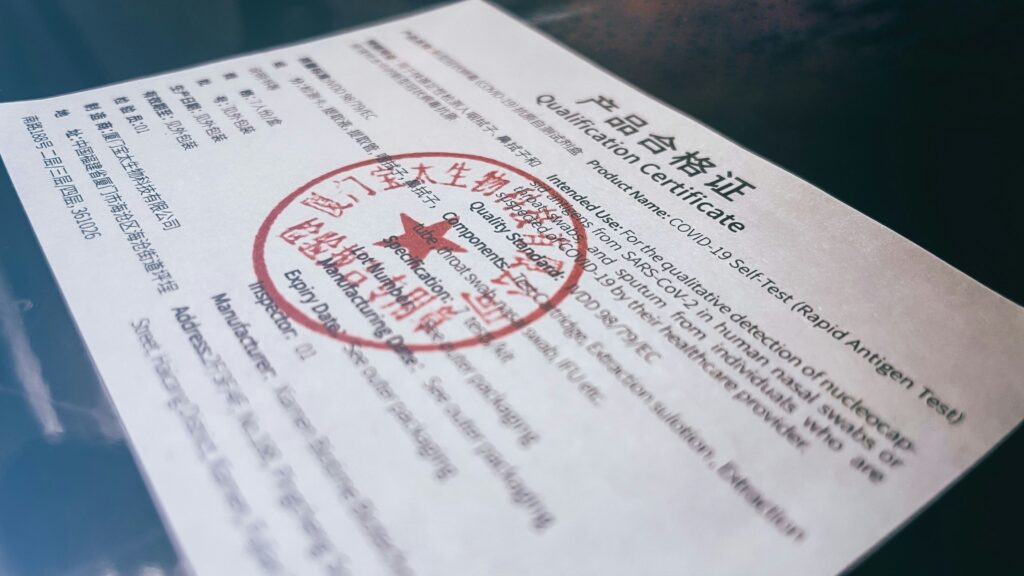
6. Regulatory Compliance Certificates
These documents confirm that chemicals meet national and international regulations.
Examples include:
- environmental compliance certificates
- food-grade or pharmaceutical approvals
- hazardous material permits
Why it matters
Compliance reduces legal risk and ensures products can be used safely within industry standards.
How to Verify Chemical Documentation
Procurement managers should never accept documents at face value. Verification is key.
Best practices:
- Cross-check batch numbers on COA with delivered goods
- Confirm SDS matches the exact product and concentration
- Ensure documents are recent and not outdated
- Verify supplier credentials and certifications
- Request original copies where necessary
Digital sourcing platforms like Matta help streamline this process by providing centralized access to supplier documentation.
Common Documentation Mistakes to Avoid
1. Accepting incomplete documentation
Missing SDS or COA can lead to unsafe handling or product failure.
2. Using outdated documents
Old documentation may not reflect updated formulations or regulations.
3. Ignoring batch-specific data
Each batch should have its own COA—never rely on generic data.
4. Overlooking regulatory requirements
Failure to comply with local regulations can lead to fines or shipment rejection.
5. Not training staff
Even with proper documentation, untrained staff can misuse chemicals.
The Role of Documentation in Supply Chain Efficiency
Proper documentation improves more than compliance—it enhances overall supply chain performance.
Benefits include:
- faster customs clearance
- reduced shipment delays
- better inventory tracking
- improved product quality control
- stronger supplier accountability
Procurement teams that prioritize documentation reduce risk and improve operational efficiency.
Digital Transformation of Chemical Documentation
Modern procurement is moving toward digital systems where documentation is:
- stored centrally
- easily accessible
- automatically updated
- integrated with procurement workflows
Digital B2B platforms allow procurement managers to:
- view SDS, COA, and TDS before purchase
- compare suppliers based on documentation quality
- reduce paperwork and manual errors
This shift improves transparency and speeds up decision-making.

Conclusion
Chemical documentation is a critical part of procurement that directly impacts safety, compliance, and product quality.
Procurement managers must understand key documents such as SDS, COA, and TDS, verify their accuracy, and ensure they meet regulatory standards.
By prioritizing documentation and working with reliable suppliers, manufacturers can reduce risks, improve efficiency, and maintain consistent production quality.
Platforms like Matta make it easier to access verified supplier documentation, helping procurement teams make informed decisions with confidence.
References
- National Agency for Food and Drug Administration and Control (NAFDAC)
https://nafdac.gov.ng - Standards Organisation of Nigeria (SON)
https://son.gov.ng - United Nations – Globally Harmonized System (GHS) for Chemical Safety
https://unece.org/transport/dangerous-goods/ghs - Occupational Safety and Health Administration (OSHA) – Safety Data Sheets
https://www.osha.gov/safety-data-sheets


