If you’ve ever used shampoo, detergent, toothpaste, or liquid soap, chances are you’ve interacted with Sodium Lauryl Sulfate (SLS)—one of the most widely used industrial and consumer chemical ingredients.
But what exactly does it do, and why is it so important in manufacturing?
What Is Sodium Lauryl Sulfate (SLS)?
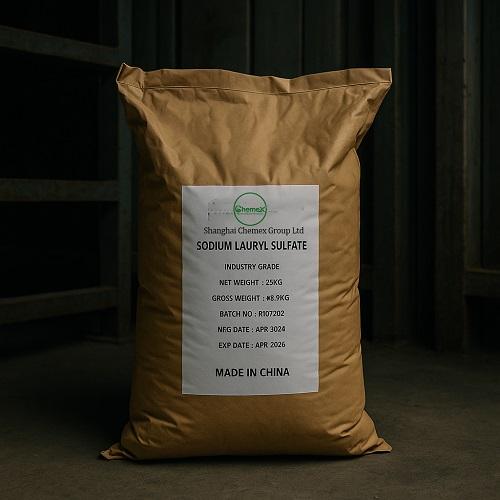
Sodium Lauryl Sulfate (SLS) is an anionic surfactant—a compound that reduces surface tension between liquids or between a liquid and a solid.
In simple terms, it helps water mix better with oils and dirt, making cleaning products more effective.
SLS is commonly derived from petroleum or plant-based sources like coconut or palm oil.
What Does SLS Actually Do?
1) It Creates Foam
SLS is responsible for the rich lather you see in products like:
- shampoos
- body washes
- liquid soaps
- toothpaste
While foam itself doesn’t clean, it helps spread the product evenly and improves user experience.
2) It Removes Oil and Dirt
SLS acts as a powerful cleansing agent by breaking down grease and oil.
This makes it highly effective in:
- household detergents
- industrial cleaners
- degreasers
- car wash solutions
It binds with oil and allows it to be washed away with water.
3) It Works as an Emulsifier
SLS helps mix ingredients that normally don’t blend well, such as oil and water.
This is essential in:
- cosmetic formulations
- pharmaceutical products
- cleaning solutions
It ensures product consistency and stability.
4) It Enhances Product Performance
Because of its surfactant properties, SLS improves:
- cleaning efficiency
- product spreadability
- ingredient interaction
This makes it a key ingredient in both consumer and industrial formulations.
Industries That Use Sodium Lauryl Sulfate
SLS is used across multiple sectors:
Personal Care
- shampoos
- toothpaste
- facial cleansers
Home Care
- laundry detergents
- dishwashing liquids
- surface cleaners
Industrial Manufacturing
- degreasers
- emulsifiers
- chemical processing agents
Pharmaceuticals
- tablet coatings
- drug delivery systems
Its versatility makes it one of the most in-demand chemicals globally.

Is SLS Safe?
SLS is approved for use in many applications, but like most chemicals, it must be used correctly.
Regulatory bodies such as the U.S. Food and Drug Administration and the European Chemicals Agency provide guidelines for safe usage levels.
In high concentrations or prolonged exposure, SLS may cause skin or eye irritation, which is why formulations are carefully controlled in finished products.
For industrial use, proper handling, dilution, and protective equipment are essential.
What Procurement Managers Should Know Before Buying SLS
If you’re sourcing Sodium Lauryl Sulfate for manufacturing, consider:
- Purity level and concentration
- Powder vs liquid form
- Application suitability (cosmetic, industrial, pharma)
- Packaging and storage requirements
- Supplier documentation (SDS, COA, TDS)
Choosing the right grade is critical for product performance and compliance.
Where to Buy Sodium Lauryl Sulfate (SLS)
Instead of dealing with unreliable suppliers or limited options, you can source SLS easily through Matta.
On Matta, you can:
- find verified suppliers
- compare product specifications
- access documentation like SDS and COA
- explore 500+ industrial and manufacturing chemicals
- streamline your procurement process
Whether you need SLS for detergents, cosmetics, or industrial applications, Matta simplifies sourcing from trusted vendors.
Conclusion
Sodium Lauryl Sulfate plays a crucial role in modern manufacturing—from cleaning and emulsifying to improving product performance.
Understanding how it works helps businesses make better sourcing and formulation decisions.
And when it comes to buying SLS and other industrial chemicals, platforms like Matta make the process faster, safer, and more transparent.
References
- U.S. Food and Drug Administration – Cosmetic Ingredient Safety
https://www.fda.gov/cosmetics - European Chemicals Agency – Substance Information on Surfactants
https://echa.europa.eu - American Cleaning Institute – Surfactants Explained
https://www.cleaninginstitute.org