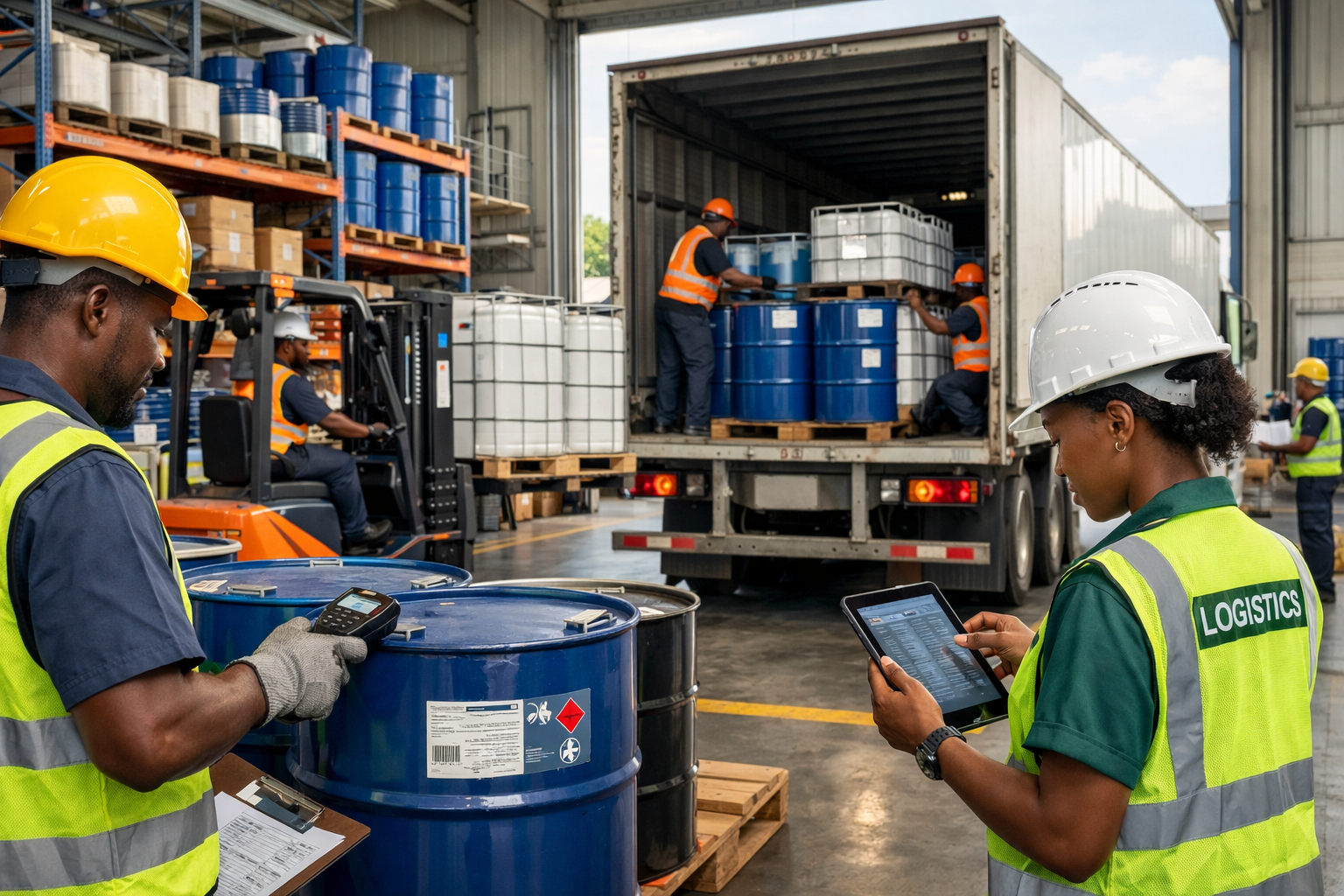
Efficient delivery of raw materials is the backbone of every manufacturing operation. In Nigeria and across Africa, the logistics of moving chemicals, metals, plastics, and other industrial inputs from the factory floor to the marketplace has traditionally faced challenges such as poor infrastructure, high transportation costs, and inconsistent supply.
However, logistics innovations are transforming how raw materials are delivered, making supply chains faster, more reliable, and more cost-effective. From digital tracking to automation and smart routing, manufacturers now have tools that were unimaginable just a few years ago.
This article explores the key logistics trends reshaping raw material delivery and how businesses can leverage them to stay competitive.
The Challenges of Traditional Raw Material Logistics
Before innovations, companies faced several obstacles:
- Infrastructure gaps: Poor road networks and limited storage facilities slowed deliveries.
- High transportation costs: Fuel price fluctuations and inefficient routes increased costs.
- Manual tracking: Paper-based inventory and delivery records caused delays and errors.
- Supply chain unpredictability: Delays at ports and customs affected production schedules.
These issues often led to production downtime, increased costs, and reduced competitiveness.
Key Logistics Innovations Transforming Raw Material Delivery
1. Digital Supply Chain Management
Digital platforms allow manufacturers and suppliers to monitor shipments in real time. Features include:
- GPS tracking of trucks and containers
- Automated inventory updates
- Predictive alerts for delays
- Integration with procurement systems
Companies using digital supply chain management can optimize delivery schedules, reduce downtime, and improve transparency. (supplychaindigital.com)

2. Smart Routing and Optimization
AI-powered routing tools are helping logistics companies plan the most efficient delivery routes, considering:
- Traffic conditions
- Road quality
- Fuel costs
- Delivery priorities
Smart routing reduces delivery times, fuel consumption, and carbon emissions, contributing to both cost savings and sustainability goals.
3. Automation in Warehousing
Automation is no longer limited to manufacturing; it’s entering warehouses as well. Examples include:
- Robotic forklifts moving raw materials
- Automated storage and retrieval systems
- Conveyor belts with smart sensors for sorting
These technologies reduce human error, speed up operations, and ensure that raw materials are quickly available for production or distribution.
4. Cold Chain and Hazardous Material Innovations
Certain raw materials, such as chemicals or bio-based materials, require temperature-controlled or specialized handling. Innovations include:
- IoT-enabled temperature monitors
- Smart packaging that tracks conditions
- Real-time alerts for storage deviations
These technologies help ensure safety and maintain quality from supplier to factory floor.

5. Integration of E-Commerce and B2B Marketplaces
Digital marketplaces like Matta are now integrating logistics solutions directly into their platforms. Benefits include:
- Verified suppliers with clear delivery options
- Transparent shipping costs and timelines
- Direct communication with logistics providers
- Tracking orders from warehouse to doorstep
This integration streamlines procurement and logistics, making raw material delivery faster and more predictable.
6. Data-Driven Forecasting and Inventory Management
Using historical data and predictive analytics, companies can:
- Anticipate demand for raw materials
- Optimize stock levels to avoid shortages
- Plan deliveries in advance to reduce rush shipping costs
Data-driven logistics improves both efficiency and reliability in supply chains.
Benefits of Logistics Innovations for Manufacturers
Implementing modern logistics technologies offers multiple advantages:
- Reduced delivery times and costs
- Enhanced transparency and accountability
- Improved safety and compliance for hazardous materials
- Reduced environmental impact through optimized routes
- Greater flexibility to respond to supply chain disruptions
Manufacturers that adopt these innovations gain a competitive edge in both domestic and international markets.
The Future of Raw Material Delivery in Africa
The logistics landscape in Africa is evolving rapidly:
- Investment in road, rail, and port infrastructure is improving delivery efficiency.
- Adoption of digital and mobile technologies continues to expand.
- Sustainable logistics, such as electric trucks and optimized routing, is gaining traction.
- B2B marketplaces and digital procurement platforms are becoming central hubs for end-to-end supply chain management.
These trends indicate that raw material delivery will become faster, more reliable, and more environmentally sustainable in the coming years.

Conclusion
From the factory floor to the marketplace, logistics innovations are redefining how raw materials are delivered in Africa. Technologies such as digital supply chain management, smart routing, automation, and integrated B2B marketplaces are transforming the industry, helping manufacturers reduce costs, improve efficiency, and ensure product quality.
Companies that embrace these innovations can streamline operations, mitigate risks, and maintain a competitive edge in the dynamic industrial landscape of Nigeria and beyond.
Platforms like Matta are at the forefront of this transformation, connecting verified suppliers with manufacturers and integrating logistics solutions for seamless raw material delivery.
References
- Supply Chain Digital – Logistics Technology Trends
https://www.supplychaindigital.com - World Bank – Transport and Logistics in Africa
https://www.worldbank.org/en/topic/transport - McKinsey & Company – The Future of Supply Chain Management
https://www.mckinsey.com/business-functions/operations/our-insights/the-future-of-supply-chain-management - African Development Bank – Infrastructure and Logistics in Africa
https://www.afdb.org/en/topics-and-sectors/initiatives-partnerships/africa-infrastructure - Matta – Verified B2B Marketplace for Chemicals and Raw Materials
https://matta.trade