Buying industrial chemicals is a high-stakes decision for manufacturers. A small mistake in supplier selection, documentation, storage, or logistics can lead to production downtime, product defects, compliance issues, and avoidable costs.
Yet many businesses still make the same procurement mistakes repeatedly—usually in an attempt to save time or cut costs.
Here are 5 common mistakes companies make when buying industrial chemicals and how to avoid them.
1) Choosing Price Over Quality
One of the biggest mistakes companies make is focusing only on the lowest price.
Cheap chemicals may seem like a cost-saving win, but poor-quality materials often lead to:
- inconsistent production output
- failed product batches
- equipment corrosion or damage
- higher rejection rates
- customer complaints
Industry procurement experts consistently note that chasing the cheapest quote often increases total cost later through downtime and waste.
How to avoid it
Compare total landed value, not just invoice price:
- purity and consistency
- documentation quality
- logistics reliability
- supplier support
- long-term cost impact
The best supplier is rarely the cheapest one.

2) Not Verifying Supplier Credentials
Many companies skip supplier due diligence, especially when sourcing urgently.
This creates serious risks:
- counterfeit chemicals
- inconsistent grades
- missing compliance documentation
- unstable supplier operations
- fraud exposure
Supplier verification is one of the most important controls in chemical procurement.
What to check
Before placing orders, request:
- business registration
- COA (Certificate of Analysis)
- SDS/MSDS
- technical data sheets
- client references
- compliance certifications
Digital B2B platforms like Matta help reduce this risk by providing access to verified supplier profiles.
3) Ignoring Chemical Specifications
Another common mistake is buying based on name only without confirming technical requirements.
For example, two chemicals with similar names may vary in:
- concentration
- moisture content
- impurity level
- particle size
- industrial vs food grade
- packaging compatibility
Even minor differences can affect formulation stability and production quality.
How to avoid it
Always define:
- required grade
- purity percentage
- acceptable tolerance
- packaging type
- monthly volume requirement
- storage condition
A strong specification sheet prevents costly batch failures.
4) Overlooking Storage and Handling Requirements
Some companies focus heavily on buying but forget what happens after delivery.
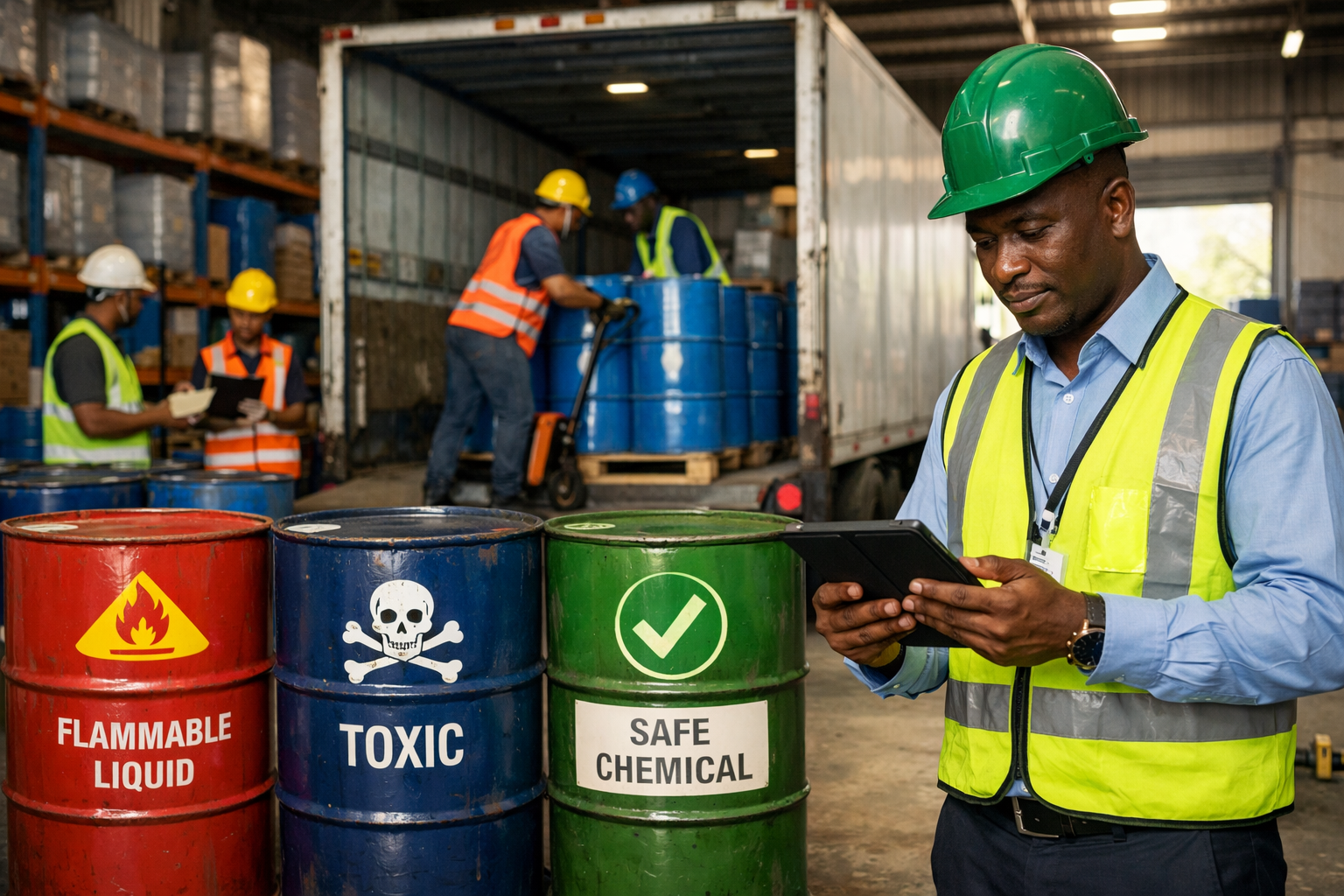
Improper storage can ruin chemical integrity or create safety risks.
Common issues include:
- exposure to moisture
- incorrect temperature
- incompatible stacking
- poor drum sealing
- missing hazard labels
This is especially risky for solvents, acids, oxidizers, and hygroscopic powders.
Best practice
Before purchase, confirm:
- shelf life
- warehouse conditions
- ventilation needs
- PPE requirements
- separation rules for incompatible substances
Good procurement includes safe post-delivery planning.
5) Failing to Plan for Supply Continuity
Many businesses buy chemicals reactively only when stock is almost exhausted.
This creates:
- emergency buying at higher prices
- supplier shortages
- production stoppage
- forced substitution risks
Experienced procurement teams recommend treating chemical sourcing as an ongoing workflow, not a last-minute transaction.
How to avoid it
Improve continuity by:
- forecasting demand
- maintaining safety stock
- using multiple verified suppliers
- monitoring lead times
- creating reorder triggers
This protects production schedules and reduces panic purchases.

Bonus Mistake: Ignoring Logistics Risk
In Nigeria and across Africa, delayed deliveries can be just as costly as wrong chemicals.
Common logistics issues include:
- port delays
- customs bottlenecks
- poor road transport
- packaging leakage
- hazardous transport non-compliance
Choose suppliers with strong delivery coordination and clear logistics communication.
This is where digital procurement marketplaces provide major value.
Final Thoughts
Buying industrial chemicals is more than a purchasing task—it directly affects manufacturing quality, compliance, safety, and profitability.
Avoiding these 5 mistakes helps companies:
- reduce waste
- improve production consistency
- lower procurement risk
- strengthen supplier relationships
- prevent costly downtime
The smartest manufacturers focus on quality, verification, technical alignment, storage readiness, and supply continuity.
With verified supplier access and transparent documentation, platforms like Matta make it easier to avoid these common mistakes and build a stronger procurement process.
References
- https://www.sanudotrade.com/post/avoid-these-mistakes-when-buying-industrial-chemicals Reddit Procurement Community. Biggest Procurement Mistake Companies Make.
- https://www.reddit.com/r/procurement/comments/1rrst8h/biggest_procurement_mistake_companies_make/