Buying industrial chemicals in Nigeria can be complex, especially for manufacturers navigating quality standards, supplier reliability, pricing fluctuations, and logistics challenges. Whether you operate in food processing, pharmaceuticals, cosmetics, construction, or manufacturing, sourcing the right chemicals is critical to maintaining product quality and operational efficiency.
This guide provides a practical, step-by-step approach to help procurement teams and business owners make informed decisions when purchasing industrial chemicals in Nigeria.
Understanding Industrial Chemicals
Industrial chemicals are substances used in manufacturing processes or as inputs in producing finished goods. They can be broadly categorized into:
- Commodity chemicals: Produced in large volumes (e.g., caustic soda, sulphuric acid)
- Specialty chemicals: Tailored for specific applications (e.g., coatings, additives)
- Fine chemicals: High-purity chemicals used in pharmaceuticals and electronics
Each category requires different sourcing strategies, quality checks, and supplier considerations.
Step 1: Define Your Requirements Clearly
Before contacting suppliers, it’s important to outline exactly what you need.
Key factors to consider:
- Chemical grade: صنعتی (industrial), food-grade, pharmaceutical-grade
- Quantity: Bulk vs. small batch
- Purity level: Percentage composition and allowable impurities
- Application: Intended use in production
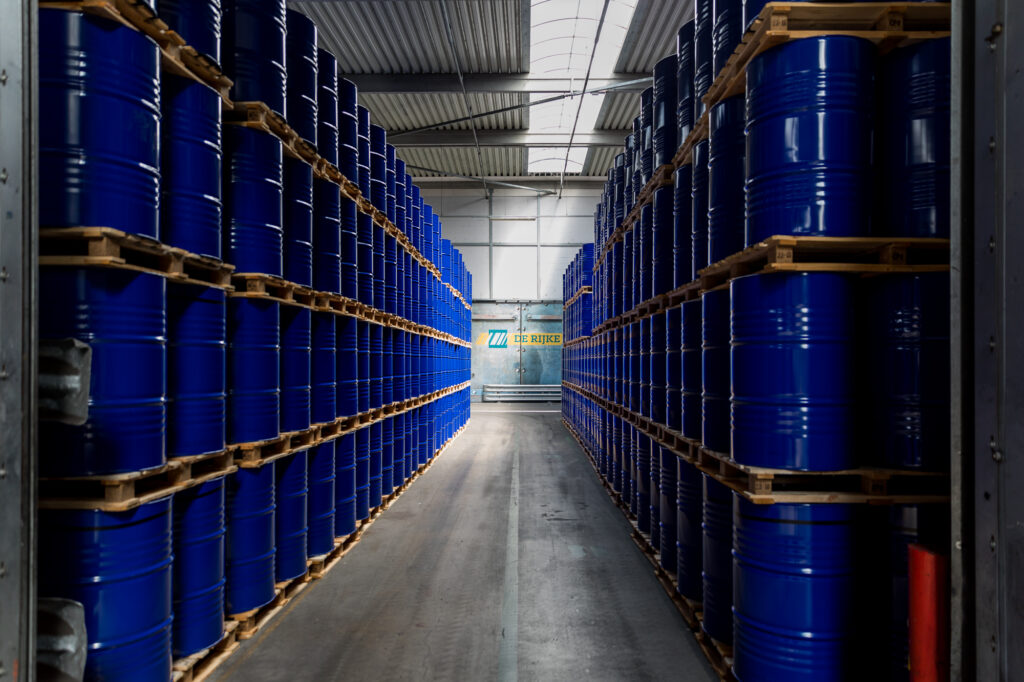
- Packaging: Drums, bags, tankers, or customized containers
Clear specifications reduce the risk of receiving substandard or incompatible materials.
Step 2: Identify Reliable Suppliers
Supplier reliability is one of the most important factors in chemical procurement.
Where to find suppliers:
- Direct manufacturers
- Distributors and wholesalers
- Digital B2B platforms like Matta
Digital marketplaces simplify sourcing by allowing buyers to compare multiple suppliers, view product specifications, and access documentation in one place.
What to look for in a supplier:
- Proven track record
- Verified business credentials
- Consistent product availability
- Positive customer feedback
Step 3: Verify Product Quality and Documentation
Quality assurance is critical when purchasing industrial chemicals.
Essential documents to request:
- Safety Data Sheet (SDS)
- Certificate of Analysis (COA)
- Technical Data Sheet (TDS)
- Regulatory compliance certifications
Organizations such as the Standards Organisation of Nigeria and National Agency for Food and Drug Administration and Control set standards for chemical safety and usage.
Failure to verify quality can lead to production issues, safety risks, and regulatory penalties.
Step 4: Compare Prices Strategically
Pricing in Nigeria’s chemical market can vary due to:
- Exchange rate fluctuations
- Import duties
- Transportation costs
- Supplier margins
Tips for better pricing:
- Request quotes from multiple suppliers
- Compare total landed cost (not just product price)
- Negotiate bulk discounts
- Monitor market trends
Avoid choosing the cheapest option without verifying quality—low-cost chemicals can lead to higher long-term costs.

Step 5: Understand Logistics and Delivery
Logistics plays a major role in chemical procurement, especially in Nigeria where infrastructure challenges can affect delivery timelines.
Key logistics considerations:
- Delivery timelines
- Transportation conditions (temperature, handling)
- Storage requirements
- Insurance and risk coverage
Some chemicals require specialized handling due to their hazardous nature. Ensure suppliers follow proper safety protocols.
Step 6: Ensure Safe Storage and Handling
After purchase, proper storage is essential to maintain chemical integrity and ensure safety.
Best practices:
- Store chemicals in labeled containers
- Maintain appropriate temperature and humidity conditions
- Separate incompatible substances
- Train staff on handling procedures
Following safety guidelines reduces risks of accidents, contamination, and product degradation.
Common Challenges in Nigeria’s Chemical Market
1. Quality Inconsistency
Some suppliers may provide products that do not meet required specifications.
2. Supply Chain Disruptions
Import delays, port congestion, and transportation issues can affect availability.
3. Price Volatility
Currency fluctuations and global market changes impact pricing.
4. Limited Supplier Transparency
Lack of proper documentation can make it difficult to verify product quality.
How to Overcome These Challenges
- Work with verified suppliers
- Use digital procurement platforms
- Diversify your supplier network
- Maintain buffer stock for critical materials
- Build long-term supplier relationships
Digital platforms like Matta help reduce these challenges by providing access to verified suppliers, transparent product listings, and easier communication channels.
Benefits of Using Digital Marketplaces
Modern procurement is shifting toward digital platforms for several reasons:
- Faster supplier discovery
- Easy comparison of products and prices
- Access to verified supplier profiles
- Improved transparency and documentation
- Better supply chain visibility
For Nigerian manufacturers, digital sourcing reduces procurement risks and improves efficiency.
Future of Chemical Procurement in Nigeria
Nigeria’s manufacturing sector is expanding, and procurement practices are evolving alongside it.
Key trends shaping the future include:
- Increased adoption of digital sourcing platforms
- Greater focus on sustainability and eco-friendly chemicals
- Improved regulatory enforcement
- Growing demand for specialty chemicals
Companies that adapt to these trends will gain a competitive advantage in the market.
Conclusion
Buying industrial chemicals in Nigeria requires careful planning, supplier verification, and a strong understanding of market dynamics. From defining product specifications to managing logistics and ensuring compliance, each step plays a critical role in successful procurement.
By leveraging digital tools, working with trusted suppliers, and adopting best practices, manufacturers can build more reliable and efficient supply chains.
Platforms like Matta are helping simplify the process by connecting buyers with verified suppliers, making it easier to source high-quality chemicals across Nigeria.
References
- Standards Organisation of Nigeria (SON)
https://son.gov.ng - National Agency for Food and Drug Administration and Control (NAFDAC)
https://nafdac.gov.ng - World Bank – Nigeria Manufacturing Sector Overview
https://www.worldbank.org/en/country/nigeria - International Labour Organization – Chemical Safety Guidelines
https://www.ilo.org - Organisation for Economic Co-operation and Development (OECD) – Chemical Safety
https://www.oecd.org/chemicalsafety