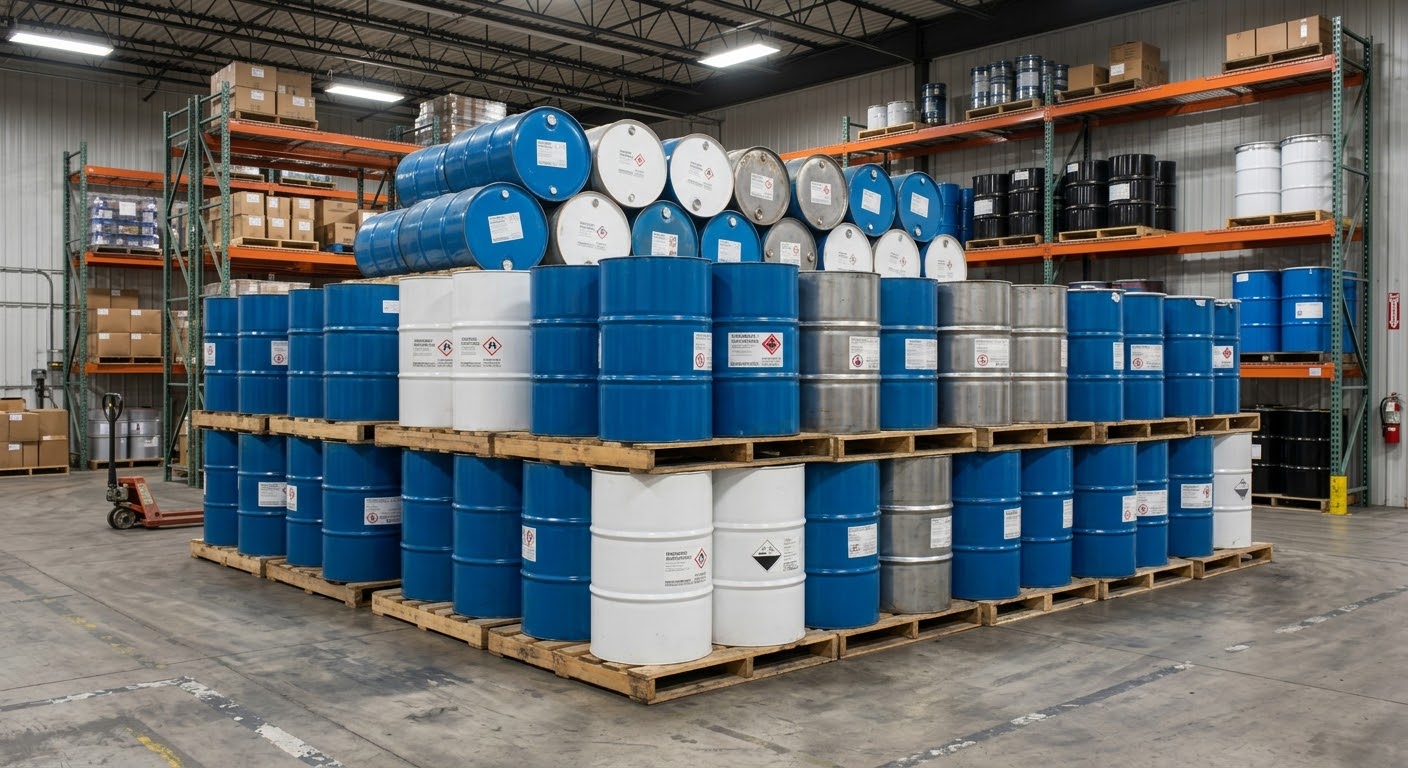
A supplier’s quote is only the starting point.
When you source chemicals across an African border, the price on the quotation may not be the final cost. Currency movements, customs requirements, documentation issues and delays can all affect what you pay and when the material reaches your facility. Many cross-border chemical transactions are quoted in US dollars, euros or another foreign currency, while the buyer operates in local currency.
If the exchange rate changes between the quotation and payment, your local-currency cost can change even when the supplier has not changed its price.
Check the quotation currency, validity period and payment deadline before comparing offers. Record the exchange-rate assumption used in your procurement budget so you can see whether a change comes from FX, freight or the supplier’s price.
Your comparison should also include the wider landed cost, including freight, duties, clearance and inland delivery. Understanding the full cost of chemical procurement helps break down the charges that sit beyond the supplier’s quoted price. For manufacturers, distributors and procurement teams, a reliable sourcing decision means looking beyond the supplier’s unit price. You need to understand the full cost, the delivery route and the responsibilities attached to the transaction.
How does foreign exchange affect chemical sourcing?
Many cross-border chemical transactions are quoted in US dollars, euros or another foreign currency, while the buyer operates in local currency.
If the exchange rate changes between the quotation and payment, your local-currency cost can change even when the supplier has not changed its price.
Check the quotation currency, validity period and payment deadline before comparing offers. Record the exchange-rate assumption used in your procurement budget so you can see whether a change comes from FX, freight or the supplier’s price.
Your comparison should also include the wider landed cost, including freight, duties, clearance and inland delivery. Understanding the full cost of chemical procurement helps break down the charges that sit beyond the supplier’s quoted price.
What can delay chemicals at the border?
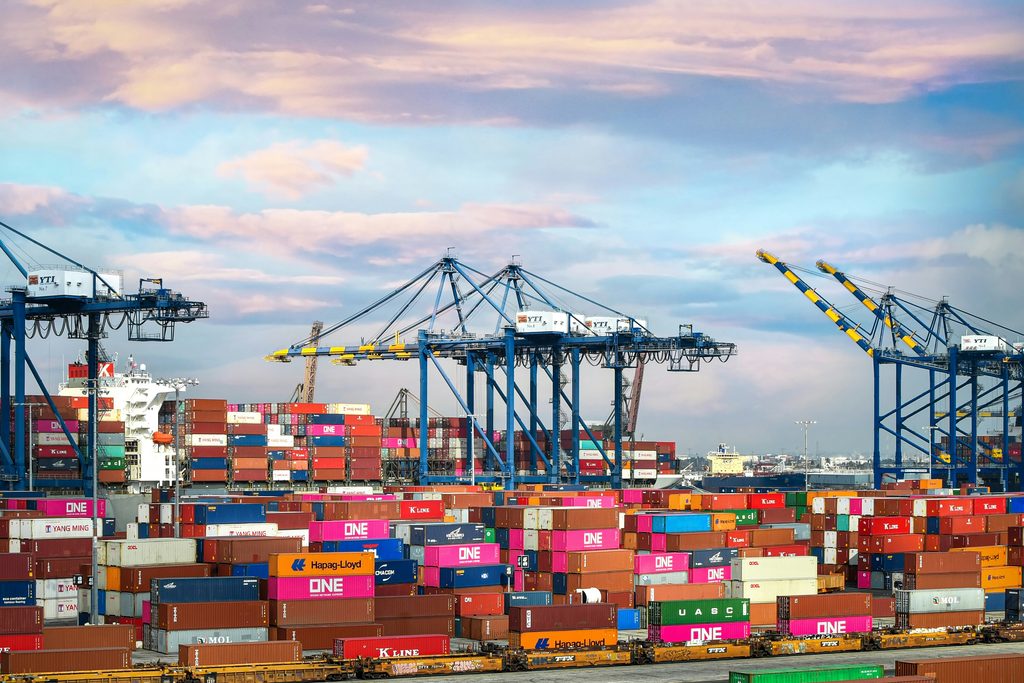
A shipment has to match its paperwork. Product descriptions, quantities, packaging details and batch information should be consistent across the relevant documents.
Requirements can vary by country and product, so confirm what is required before dispatch. Where a clearing agent is involved, make sure the necessary information has been shared early enough for any issues to be resolved before the shipment reaches the border.A documentation problem can hold up an otherwise ready shipment. Your procurement terms should also make clear who is responsible for customs clearance, documentation and costs that arise from delays.
How long should you expect an order to take?
Lead time is more than the days on the road or at sea. It includes supplier preparation, loading, transit, border processing, clearing and delivery to your site. Ask the supplier for an estimate of each stage separately, then add a buffer.For chemicals that are essential to production, build a reasonable buffer into your purchasing plan. Your required stock level should reflect how long it takes to replenish the material and what a delay would mean for production.
What should you check before choosing a chemical supplier?
Check the product specification, supplier credentials, quality documents, delivery terms and total landed cost.
Confirm the chemical name, grade, purity, packaging and intended use. Review the supplier’s business details and request a Certificate of Analysis or sample where needed.
Agree in advance how out-of-specification deliveries will be handled.
On Matta Marketplace, supplier business registration is confirmed before a supplier goes live. Product and quality documents are reviewed before listing, and supplier performance is monitored over time. Buyers should still confirm that the product specification meets their application and purchasing requirements.
What should your quote request include?
A clear request gives suppliers the information they need to provide a useful quotation. Include the product name and grade, purity, quantity, packaging, delivery location, required documents, target delivery date and the currency you want quoted.
A structured chemical RFQ also reduces unnecessary back-and-forth and makes supplier responses easier to compare. If you are preparing a request, knowing what suppliers need in an industrial chemical RFQ can help you provide the right information from the start.
The strongest sourcing decision is therefore not always the supplier offering the lowest unit price. It is the option that gives you the right material, at the required specification, within an acceptable time-frame and at a cost your business can plan for. When you are ready to source, describe the grade, quantity and delivery location you need. Submit your chemical sourcing requirement on Matta Marketplace.


