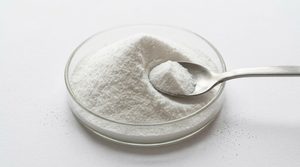
Sodium gluconate for concrete is mainly used as a setting retarder in cement-based formulations. It can extend working time and help maintain the fluidity of a concrete mix. However, its performance depends on factors such as dosage, cement composition, temperature and other admixture ingredients. Before buying in bulk, you should understand the product specifications and test its suitability for your application.
How is sodium gluconate used in concrete?
Sodium gluconate is the sodium salt of gluconic acid. In concrete production, it is primarily used to slow down cement setting and help keep the mixture workable for longer.
This is useful when concrete needs more time for mixing, transportation, placement or finishing. Sodium gluconate is a formulation ingredient, not a ready-to-use concrete admixture. Its performance must be evaluated under the conditions in which it will be used.
Which grade of sodium gluconate is suitable for concrete?
The right grade depends on your formulation and the manufacturer’s product specifications.
Sodium gluconate may be described as technical grade or supplied in powder form. However, these descriptions alone do not confirm whether a product is suitable for concrete admixtures.
Before purchasing, check that the product’s identity, grade and technical documentation meet your requirements. Two products with the same general grade description may have different specifications.Do not assume that a product intended for general industrial use will automatically perform well in your concrete formulation.
What specifications should you check before buying?
Before placing a bulk order, request two important documents from the supplier:
● Technical Data Sheet (TDS): Provides the manufacturer’s stated product properties and technical specifications.
● Certificate of Analysis (COA): Shows the reported analytical results for a particular production batch.
| What to check | What it tells you | What you still need to verify |
| Product TDS | The manufacturer’s stated specifications and product properties | Whether the product performs in your formulation |
| Batch COA | The reported results for the specific batch | Whether the batch meets your purchasing requirements. |
| Product identity and grade | Whether the supplier is offering the product you requested | Whether the grade is suitable for your application |
| Product sample | How the material behaves during initial evaluation | How it performs at production scale. |
When comparing sodium gluconate suppliers, make sure their quotations are based on equivalent product specifications. A lower price may not offer better value if the product or its documentation does not meet your requirements.For a closer look at the documents used in chemical procurement, read our guide to chemical documentation for procurement managers
Why should you test sodium gluconate before bulk purchasing?
Sodium gluconate does not produce the same results in every concrete formulation. Its effect can change with dosage, cement composition and temperature.
Using an unsuitable quantity may cause excessive delays in setting. Temperature can also affect its retarding performance, with research showing differences under different testing conditions.
If you manufacture concrete admixtures or produce ready-mix concrete, test the material with the cement and other ingredients used in your actual formulation.Pay particular attention to:
● Setting time and setting behaviour.
● Workability retention.
● Strength development.
● Compatibility with other admixture ingredients.
What should you include in a sodium gluconate quote request?
Before requesting a quotation, prepare the following details:
● Product: Sodium gluconate, intended grade and application.
● Documentation: Required TDS, representative COA and any additional quality documents.
● Quantity: Sample requirement, initial order volume and expected recurring demand.
● Packaging: Preferred pack size and storage requirements.
● Delivery location: Destination country, city and delivery address.
● Commercial terms: Unit price, currency, minimum order quantity, lead time and delivery terms.
● Sample testing: Whether the supplier can provide a sample for laboratory evaluation before a bulk purchase.
Providing these details helps suppliers understand your requirements and prepare more comparable quotations.
For more guidance, see our article on how to write an industrial chemical RFQ.
Source sodium gluconate through Matta Marketplace
Finding a sodium gluconate supplier involves more than comparing prices. You need to confirm the product specification, review the supporting documents and establish whether the material is suitable for your concrete formulation.
If you are new to industrial chemical procurement, our guide to buying industrial chemicals in Nigeria explains what to consider when evaluating products, suppliers and quotations.
Matta Marketplace helps industrial buyers discover chemical products and connect with suppliers. When requesting a quote, include your required grade, quantity, delivery destination and documentation requirements.Looking to buy sodium gluconate in bulk? Request a quote through Matta Marketplace and confirm the product specifications before placing your order.